

“Ultimately, literature is nothing but carpentry. Both are very hard work. Writing something is almost as hard as making a table. With both you are working with reality, a material just as hard as wood. Both are full of tricks and techniques. Basically very little magic and a lot of hard work are involved.” Gabriel Garcia Marquez

It’s not always easy being the one who asks the tough questions. To be the one scratching your chin and saying ‘why doesn’t this work for me?’ whilst everyone around you high fives. But questioning, constructive criticism and scepticism are key to improving both creative productivity and creative quality.

So, 2016 is the year you’ve resolved to finally start writing that novel or blow the dust off that half written script. Great! But when research shows that 92% of all new year’s resolutions rarely make it past January, how can you make sure your writing resolution sticks?

Management guru Stephen Covey said “The key is not to prioritize what’s on your schedule, but to schedule your priorities.” If you read this blog you’re probably interested in writing productivity, and scheduling time to write is a great way to be productive. But does it have to be so painful?
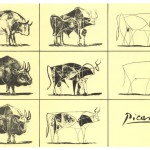
The 11 illustrations which form Picasso’s work The Bull are a masterclass on the benefit of scrupulous cutting. They also reveal how creatives and writers can develop and find their unique voice through the process of editing.
Writers often come up with their best ideas when doing something other than writing. Agatha Christie used to mull over her murderous plotlines eating apples in the bath whilst Dickens spent hours each day strolling around London. So if you can’t crack that darned second act – what’s the best thing to do? Here’s what some researchers found.

When’s the best time to write? Is it in the morning when you’re fresh and ready for a new day? Is it in evening when you’re full of ideas and inspiration from previous hours during the day? Or perhaps it’s at night, when people are least likely to bother you, allowing you to focus on your work 100%?
Other people. Do they help or hinder your creativity? Do they build your confidence or just sap it? Some researchers decided to find out and this is what they learned. Warning - contains aliens.
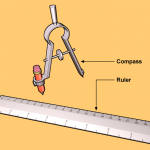
Research proves* that setting limits on your creative work forces sharper thinking. It’s a proven method that’s been used successfully in some of the biggest creative organisations in the world. But how do you limit creativity without limiting it?

What can you do in 15 minutes? Hard-boil an egg? Play Candy Crush? Look at some great Facebook photos of your friend’s office party? The point being that we often waste time – time that Dorothea Brande says could be dedicated to kick-starting your creative practice.
Follow Write-Track for writerly news and updates