
Behavioural scientists often talk about the role that competition or cooperation plays in motivating us to keep fit, loose the pounds or cut the booze but can the same principles apply to help creatives meet their goals? What’s better for you – having a writing rival or a creative collaborator?
-

-

Psychologist and author of the bestselling book Flow, Mihaly Csikszentmihalyi, thinks that highly creative people aren’t like us. But he doesn’t buy into the idea of the creative genius either. People who are highly creative don’t have special minds, but they do have more complicated personalities based around a series of 10 opposing character traits.
-

What you do first thing can make or break your day. As well as making you feel super smug about getting stuff done before work, having a morning ritual can help you meet your creative goals. Tap into the science and psychology of daybreak to build your winning routine.
-

Creative types - especially writers - love a good wander. Charles Dickens and Virginia Woolf were avid city strollers whilst Wallace Stevens wrote his poetry walking to work: “I write best when I can concentrate and I do that best whilst walking,” he said. Modern-day novelists like Naomi Alderman go walkabout too - she writes in 200 word bursts sandwiched between regular 15-minute strolls. But is the walking/writing relationship coincidental or can walking have a measurable impact on creative output?
-

“Ultimately, literature is nothing but carpentry. Both are very hard work. Writing something is almost as hard as making a table. With both you are working with reality, a material just as hard as wood. Both are full of tricks and techniques. Basically very little magic and a lot of hard work are involved.” Gabriel Garcia Marquez
-
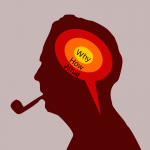
It’s not always easy being the one who asks the tough questions. To be the one scratching your chin and saying ‘why doesn’t this work for me?’ whilst everyone around you high fives. But questioning, constructive criticism and scepticism are key to improving both creative productivity and creative quality.
-
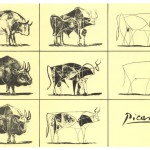
The 11 illustrations which form Picasso’s work The Bull are a masterclass on the benefit of scrupulous cutting. They also reveal how creatives and writers can develop and find their unique voice through the process of editing.
-
Writers often come up with their best ideas when doing something other than writing. Agatha Christie used to mull over her murderous plotlines eating apples in the bath whilst Dickens spent hours each day strolling around London. So if you can’t crack that darned second act – what’s the best thing to do? Here’s what some researchers found.
-
Other people. Do they help or hinder your creativity? Do they build your confidence or just sap it? Some researchers decided to find out and this is what they learned. Warning - contains aliens.
-
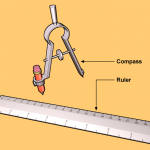
Research proves* that setting limits on your creative work forces sharper thinking. It’s a proven method that’s been used successfully in some of the biggest creative organisations in the world. But how do you limit creativity without limiting it?
Follow Write-Track for writerly news and updates