
Being creative makes us happy – that’s true – but not just because we just enjoy dreaming up new ideas and having flights of fancy. In fact, research tells us that what we really love about creativity is the daily drudgery – the slow and frequently painful trudge towards getting it done and mastering our creative persuit.
Chris Smith
 Co-creator of digital productivity tools for writers @write_track, blogger @thenextweb, comms consultant. amateur scriptwriter and all-round creative productivity geek.
-
-
“I hate writing, I love having written,” goes the highly relatable quote by novelist Dorothy Parker. Whilst the creative turmoil of the writer is legendary – even necessary – tinkering with your motivational mindset can make your daily dose of writing torture more bearable. You might even have some fun…
-

Creative people - and especially writers - aren’t famed for their boundless joy. Being creative can make us happy, but not normally in a wave-your-arms-in-the-air-like-you-just-don’t-care way. Unsurprisingly, science tells us that the link between happiness and creativity is ‘complicated’. But it also tells us that it’s a deeply human activity - and it’s perhaps that which keeps us hooked.
-

For the writer wanting to focus on their work rather than Twitter, there’s a plethora of internet-blocking software offering ‘distraction free writing’. There’s even a writing gadget to help people shut out the social media mind clutter. Coming to a hipster bar near you, the Freewriter is a retro-styled electronic writing machine without wifi. A typewriter with a plug essentially.
-
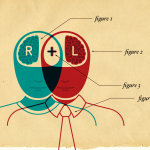
Chutzpah, pluck, or just blind faith in your creative idea – whatever you call it, self-confidence is essential if you’re going to put your writing out there. But confidence alone won’t mean your idea will see the light of day – you need it in just the right amounts.
-

Behavioural scientists often talk about the role that competition or cooperation plays in motivating us to keep fit, loose the pounds or cut the booze but can the same principles apply to help creatives meet their goals? What’s better for you – having a writing rival or a creative collaborator?
-

Psychologist and author of the bestselling book Flow, Mihaly Csikszentmihalyi, thinks that highly creative people aren’t like us. But he doesn’t buy into the idea of the creative genius either. People who are highly creative don’t have special minds, but they do have more complicated personalities based around a series of 10 opposing character traits.
-

Creative types - especially writers - love a good wander. Charles Dickens and Virginia Woolf were avid city strollers whilst Wallace Stevens wrote his poetry walking to work: “I write best when I can concentrate and I do that best whilst walking,” he said. Modern-day novelists like Naomi Alderman go walkabout too - she writes in 200 word bursts sandwiched between regular 15-minute strolls. But is the walking/writing relationship coincidental or can walking have a measurable impact on creative output?
-
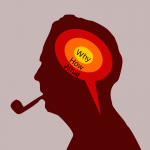
It’s not always easy being the one who asks the tough questions. To be the one scratching your chin and saying ‘why doesn’t this work for me?’ whilst everyone around you high fives. But questioning, constructive criticism and scepticism are key to improving both creative productivity and creative quality.
-
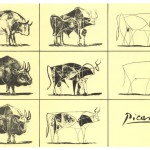
The 11 illustrations which form Picasso’s work The Bull are a masterclass on the benefit of scrupulous cutting. They also reveal how creatives and writers can develop and find their unique voice through the process of editing.
Follow Write-Track for writerly news and updates